Precious Metal Insight
Effective. Efficient. Expeditious.
Exploring the Allure of Precious Metals
As an enthusiast in the precious metals niche, I am thrilled to share the captivating world of precious metals with you.
Here we will delve into the realm of these coveted resources and uncover their unique characteristics, investment potential, and practical applications.
Join me on this journey as we discover the allure of precious metals and explore the possibilities they offer.

Understanding Precious Metals
Precious Metals 101

What are Precious Metals
Precious metals are rare, naturally occurring elements that possess exceptional beauty, durability, and value.
These metals have captivated
humanity for centuries, embodying wealth, luxury, and prestige. The most common
precious metals include gold, silver, platinum, and palladium, each with itsdistinctive properties and allure.

Types of Precious Metals
Let's take a closer look at the four primary precious metals:
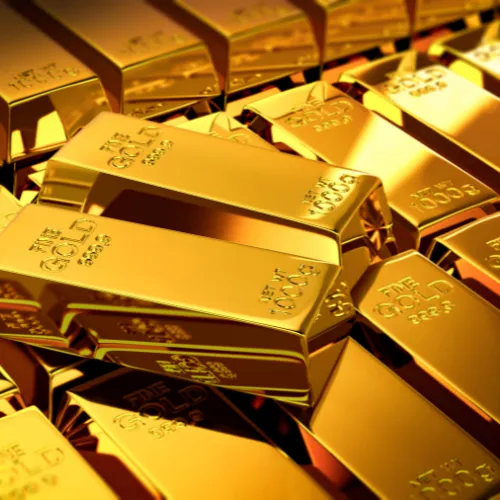
Gold: Known as the "king of precious metals," gold has been treasured throughout history for its rarity, beauty, and intrinsic value. Its unique properties make it an excellent choice for investment and diverse applications.
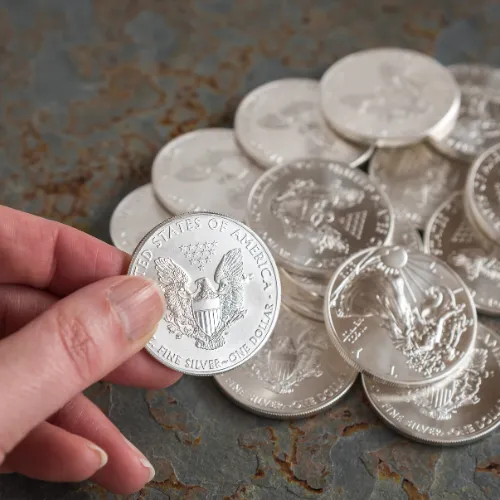
Silver: A versatile metal, silver boasts both industrial and monetary significance. Its affordability, electrical conductivity, and antibacterial properties make it indispensable in various industries.
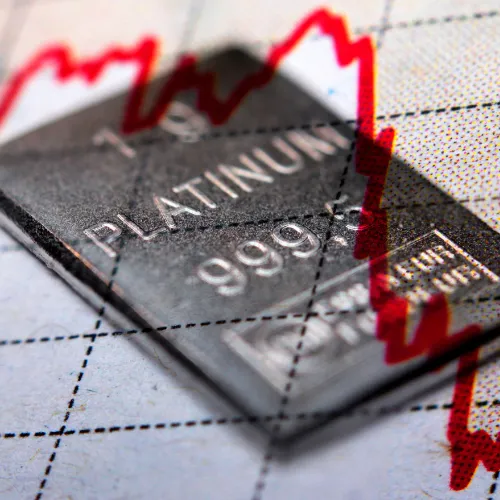
Platinum: This rare and lustrous metal holds a special place in the world of luxury and investment. Platinum's durability, resistance to corrosion, and stunning
appearance have made it highly sought after.
Palladium:
Emerging as a star among precious metals, palladium's value has skyrocketed in
recent years. Its exceptional catalytic properties and increasing demand in the
automotive industry have contributed to its appeal.

Historical Significance
Throughout history, precious metals have played crucial roles in shaping civilizations, trade, and economies. From ancient civilizations like Egypt and Mesopotamia to the modern financial system, these metals have been symbols of wealth, power, and prestige.
The allure of precious metals spans across cultures and time, leaving an indelible mark on humanity's collective history.
Investing in Precious Metals
It's not as difficult as you think it is
Reasons to Invest
Investing in precious metals offers numerous benefits that make them an attractive addition to any investment portfolio.
Here are some compelling reasons to consider:
Hedge against Inflation: Precious metals have historically retained their value during times of economic uncertainty and inflation, making them a reliable hedge against eroding purchasing power.
Portfolio Diversification: Including precious metals in your investment portfolio helps diversify risk, as they often exhibit low correlation with other asset classes
like stocks and bonds.
Store of Value: Throughout history, precious metals have maintained their intrinsic value, providing stability and long-term preservation of wealth.
Types of Investments
There are various ways to invest in precious metals, each offering distinct
advantages and considerations. Some common investment options include:
Physical Bullion: Owning physical gold, silver, platinum, or palladium in the form of
bars or coins provides tangible assets that can be stored securely.
Exchange-Traded Funds (ETFs): Precious metals ETFs offer exposure to the price movements of metals without the need for physical ownership, providing liquidity and convenience.
Mining Stocks: Investing in mining companies allows you to gain exposure to the
precious metals industry through shares of companies involved in exploration,
extraction, and production.
Factors to Consider
Before investing in precious metals, it's essential to consider various factors to make informed decisions. Here are a few key aspects to evaluate:
Market Trends: Stay updated with market trends, supply and demand dynamics, and
geopolitical factors that may influence precious metals prices.
Risk Tolerance: Assess your risk tolerance and investment goals to determine the appropriate allocation of precious metals in your portfolio.
Storage and Security: Consider the costs and options for secure storage, as well as insurance coverage to protect your precious metal investments.
Gold: The King of Precious Metals
Discover why gold reigns supreme in the precious metals world. From its timeless allure to its unparalleled value, learn why investors and collectors alike turn to gold. Let's explore the many reasons why gold continues to hold its value and remain a top investment choice.
Characteristics of Gold
Investment Potential
Practical Uses
Silver: The Versatile Metal
Silver - the metal that can do it all. From jewelry to electronics, and even medicine, silver's unique properties make it a versatile choice. So whether you're investing or just appreciate its beauty, silver is always a smart choice.
Properties of Silver
Investment Opportunities
Industrial Applications
Platinum: The Rare Beauty
Platinum is the rare beauty of precious metals. Its stunning silvery-white hue, unmatched strength, and resistance to tarnish make it a top choice for jewelry and investment alike. Discover the allure of platinum today!
Unique Attributes of Platinum
Investment Outlook
Industry and Jewelry Uses
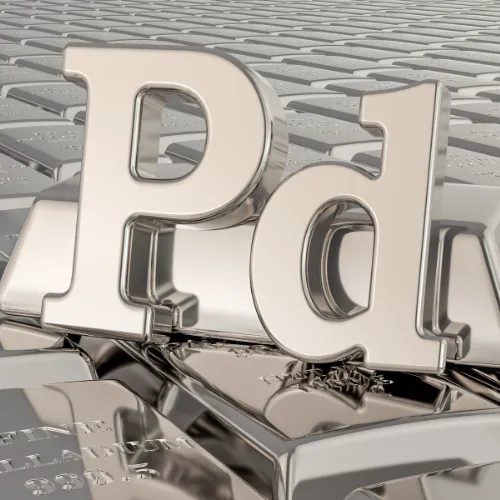
Palladium: The Rising Star
Palladium is the rising star of the niche. It's in high demand for use in cars and electronics, and its limited supply makes it a unique. Learn more about this rising star.
Advantages of Palladium
Investment Potential
Automotive and Industrial Demand
Diversifying With Precious Metals
Diversifying your portfolio with precious metals is crucial for several reasons. First, they act as a hedge against inflation and economic downturns, preserving wealth when other assets falter. Second, precious metals offer long-term stability and serve as a store of value. Last, they provide a tangible asset that can add balance and reduce overall investment risk.
Portfolio Benefits
Allocation Strategies
Balancing Risk and Reward



Storing and Protecting Your Precious Metals
You'd think I wouldn't have to mention this, but leaving precious metals lying around the house is not a good idea.
Secure Storage Options
When investing in precious metals, it's crucial to store them securely. Consider the following storage options: (1) Home Safes, (2) Bank Safety Deposit Boxes, and (3) Precious Metals Storage Facilities.

Insurance Considerations
Protecting your precious metal investments with insurance provides an extra layer of security. Consider the following insurance options: (1) Homeowner's or Renter's Insurance, (2) Specialized Precious Metals Insurance, and (3) Storage Facility Insurance.

You Can Do This
Including precious metals in your investment portfolio can provide diversification, act as a hedge against market volatility, and preserve wealth over time. Gold, silver, platinum, and palladium each offer unique investment opportunities based on their properties and industrial demand.
Consider your risk tolerance, investment goals, and market trends when determining the appropriate
allocation of precious metals in your portfolio.
Ensure secure storage and consider insurance options to protect your valuable holdings.
By incorporating precious metals into your investment strategy, you can add stability, potential growth, and long-term value preservation.
Read Our Latest Thoughts
Lorem ipsum dolor sit amet, consectetur adipiscing elit.
Most People Chase Leads. The Smart Ones Chase Buying Signals.
Simple signals tell you who’s serious and who’s not.
Most folks treat LinkedIn like a big phone book. They look at titles, company size, maybe a few keywords—and then they wonder why half their outreach lands on people who were never going to buy anything.
A client said to me last week, “Coach, we’re reaching decision-makers, but half of them feel like tire-kickers.”
Of course they do. Because titles don’t tell the whole story. A “VP of Marketing” who hasn’t touched their profile in six months is a different animal than a VP who invests in their platform, shows up every week, and looks like they care about the game they’re playing.
LinkedIn isn’t just a directory. It’s a scoreboard. And serious buyers leave clues.
Let’s break down the signals that separate real buyers from the folks who are just walking around the lot kicking tires.
Look Past the Title. Look at the Investment.
Anyone can claim a title. But people who are serious about growth make visible investments in their presence.
You’re looking for what I call commitment signals—little markers that tell you this person isn’t dabbling. They’re building.
Here’s what matters:
Premium Tools = Skin in the Game
People paying for LinkedIn Premium, Sales Navigator, or Creator Mode aren’t hobbyists. They’re investing money to grow their network, visibility, and deal flow. That’s a buyer mindset.
Credentials That Don’t Collect Dust
Certifications, badges, current training, and featured credentials show pride and professionalism. Folks who stay current are signaling one thing:
“I invest in myself, and I expect others to as well.”
Buyer Intent Signals
LinkedIn now tracks categories of software and services people are actively researching. That’s not a maybe. That’s in-market behavior. When someone is poking around in your category, they’re not browsing—they’re shopping.
Evaluate Profile Quality Like a Pro Scout
When I recruit for a team, I don’t just watch a kid swing a bat. I watch how he walks, how he talks, how he prepares. Everything is data.
Same thing here.
A Polished Profile Means Something
A filled-out LinkedIn profile with:
real accomplishments
a clean custom URL
professional photos
active recommendations
featured posts or articles
…tells you they care about how they show up.
Nobody “accidentally” builds a sharp profile. It takes time, and time is an investment.
Content Consistency Tells You Who’s Actually Playing the Game
A buyer doesn’t need to post every day. But if they show up monthly? Weekly? If they comment with intention?
That’s someone who understands that visibility drives opportunity. Silent profiles are usually silent buyers.
Check the Network: Who Are They Surrounded By?
You can tell a lot about someone by who they spend time with.
If their network is full of:
other active leaders
decision-makers
verified experts
high-value circles
…that’s a person swimming in the right pond. People like this don’t window-shop. They build, grow, and look for smart partners.
Weak networks are usually a sign of weak buying power.
Why This Changes the Whole Outreach Game
Most people send outreach like they’re handing out flyers in a parking lot.
But when you can read the signals, you stop wasting time on the wrong folks. You start engaging the ones who have already shown—through their behavior—that they’re ready to spend money.
If someone:
invests in their profile
pays for premium tools
maintains certifications
has buyer intent
builds a real network
…then they’ve already paid their “qualification fee.” They’re raising their hand without saying a word.
And here’s a truth most people ignore:
The companies spending $1,000+ per month on Sales Navigator are not the same buyers as the ones logging in once a quarter.
One has urgency.
One has budget.
One has intent.
One doesn’t.
Simple as that.
What TW3 Marketing Actually Does With This
Most firms blast messages at anyone with the right job title.
Not us.
At TW3 Marketing, we study the behavior behind the profile—the clues that tell us who is serious, who is stalled, and who is never going to pull the trigger.
We target buyers, not browsers.
Professionals, not pretenders.
Growth-minded leaders, not time-wasters.
Because the best prospects aren’t hiding.
They’re showing you who they are—if you know how to look.
If you want your LinkedIn outreach to stop feeling like a guessing game and start feeling like a real sales system, this is where it starts:
Stop chasing window shoppers. Start identifying real buyers before you ever send a message.

Frequently Asked Questions
Are precious metals considered a safe investment?
Precious metals have historically acted as a safe investment due to their intrinsic value and ability to hedge against economic uncertainties.
Can I invest in precious metals through my brokerage account?
Yes, many brokerage firms offer the ability to invest in precious metals through ETFs, mining stocks, or other investment products.
Do precious metals pay
any dividends or interest?
Precious metals themselves do not pay dividends or interest. Their value lies in their scarcity, intrinsic worth, and potential for price appreciation.
What is the best way to buy physical precious metals?
You can purchase physical precious metals from reputable dealers or online platforms. Ensure authenticity, purity, and secure shipping when buying.
How often should I review my precious metals investment strategy?
Regularly reviewing your investment strategy is recommended, considering market conditions, your financial goals, and any significant changes in your
portfolio.
Final Word
Risk Disclosure and Disclaimer
Bobby Christy (TW3 Marketing) is not an investment adviser.
Information contained on this website is for educational purposes only and is not tailored for any individual investor. It should not be relied upon as financial or investment advice. We encourage you to consult a licensed financial adviser or investment professional to determine whether an investment in precious metals makes sense for you and your personal financial situation.
PRECIOUS METALS AND CRYPTOCURRENCIES ARE VERY SPECULATIVE INVESTMENTS AND INVOLVE A HIGH DEGREE OF RISK. INVESTORS MUST HAVE THE FINANCIAL ABILITY, SOPHISTICATION, EXPERIENCE AND WILLINGNESS TO BEAR THE RISKS OF AN INVESTMENT, AND A POTENTIAL TOTAL LOSS OF THEIR INVESTMENT.


