Precious Metal Insight
Effective. Efficient. Expeditious.
Exploring the Allure of Precious Metals
As an enthusiast in the precious metals niche, I am thrilled to share the captivating world of precious metals with you.
Here we will delve into the realm of these coveted resources and uncover their unique characteristics, investment potential, and practical applications.
Join me on this journey as we discover the allure of precious metals and explore the possibilities they offer.

Understanding Precious Metals
Precious Metals 101

What are Precious Metals
Precious metals are rare, naturally occurring elements that possess exceptional beauty, durability, and value.
These metals have captivated
humanity for centuries, embodying wealth, luxury, and prestige. The most common
precious metals include gold, silver, platinum, and palladium, each with itsdistinctive properties and allure.

Types of Precious Metals
Let's take a closer look at the four primary precious metals:
Gold: Known as the "king of precious metals," gold has been treasured throughout history for its rarity, beauty, and intrinsic value. Its unique properties make it an excellent choice for investment and diverse applications.
Silver: A versatile metal, silver boasts both industrial and monetary significance. Its affordability, electrical conductivity, and antibacterial properties make it indispensable in various industries.
Platinum: This rare and lustrous metal holds a special place in the world of luxury and investment. Platinum's durability, resistance to corrosion, and stunning
appearance have made it highly sought after.
Palladium:
Emerging as a star among precious metals, palladium's value has skyrocketed in
recent years. Its exceptional catalytic properties and increasing demand in the
automotive industry have contributed to its appeal.

Historical Significance
Throughout history, precious metals have played crucial roles in shaping civilizations, trade, and economies. From ancient civilizations like Egypt and Mesopotamia to the modern financial system, these metals have been symbols of wealth, power, and prestige.
The allure of precious metals spans across cultures and time, leaving an indelible mark on humanity's collective history.
Investing in Precious Metals
It's not as difficult as you think it is
Reasons to Invest
Investing in precious metals offers numerous benefits that make them an attractive addition to any investment portfolio.
Here are some compelling reasons to consider:
Hedge against Inflation: Precious metals have historically retained their value during times of economic uncertainty and inflation, making them a reliable hedge against eroding purchasing power.
Portfolio Diversification: Including precious metals in your investment portfolio helps diversify risk, as they often exhibit low correlation with other asset classes
like stocks and bonds.
Store of Value: Throughout history, precious metals have maintained their intrinsic value, providing stability and long-term preservation of wealth.
Types of Investments
There are various ways to invest in precious metals, each offering distinct
advantages and considerations. Some common investment options include:
Physical Bullion: Owning physical gold, silver, platinum, or palladium in the form of
bars or coins provides tangible assets that can be stored securely.
Exchange-Traded Funds (ETFs): Precious metals ETFs offer exposure to the price movements of metals without the need for physical ownership, providing liquidity and convenience.
Mining Stocks: Investing in mining companies allows you to gain exposure to the
precious metals industry through shares of companies involved in exploration,
extraction, and production.
Factors to Consider
Before investing in precious metals, it's essential to consider various factors to make informed decisions. Here are a few key aspects to evaluate:
Market Trends: Stay updated with market trends, supply and demand dynamics, and
geopolitical factors that may influence precious metals prices.
Risk Tolerance: Assess your risk tolerance and investment goals to determine the appropriate allocation of precious metals in your portfolio.
Storage and Security: Consider the costs and options for secure storage, as well as insurance coverage to protect your precious metal investments.
Gold: The King of Precious Metals
Discover why gold reigns supreme in the precious metals world. From its timeless allure to its unparalleled value, learn why investors and collectors alike turn to gold. Let's explore the many reasons why gold continues to hold its value and remain a top investment choice.
Characteristics of Gold
Investment Potential
Practical Uses

Silver: The Versatile Metal
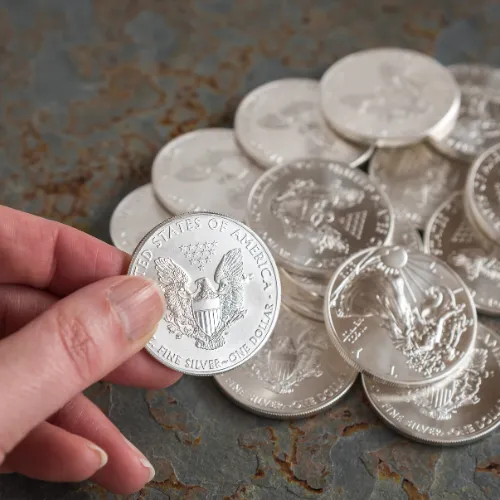
Silver - the metal that can do it all. From jewelry to electronics, and even medicine, silver's unique properties make it a versatile choice. So whether you're investing or just appreciate its beauty, silver is always a smart choice.
Properties of Silver
Investment Opportunities
Industrial Applications
Platinum: The Rare Beauty
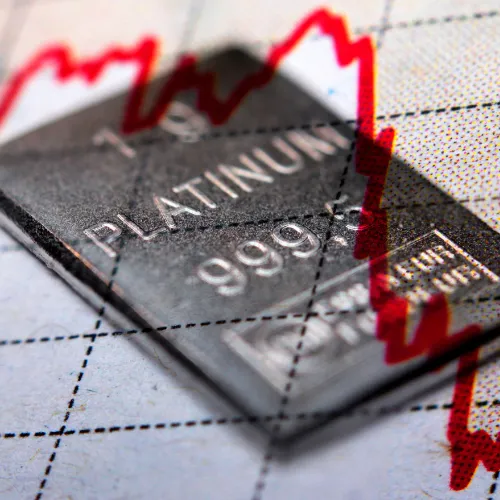
Platinum is the rare beauty of precious metals. Its stunning silvery-white hue, unmatched strength, and resistance to tarnish make it a top choice for jewelry and investment alike. Discover the allure of platinum today!
Unique Attributes of Platinum
Investment Outlook
Industry and Jewelry Uses
Palladium: The Rising Star
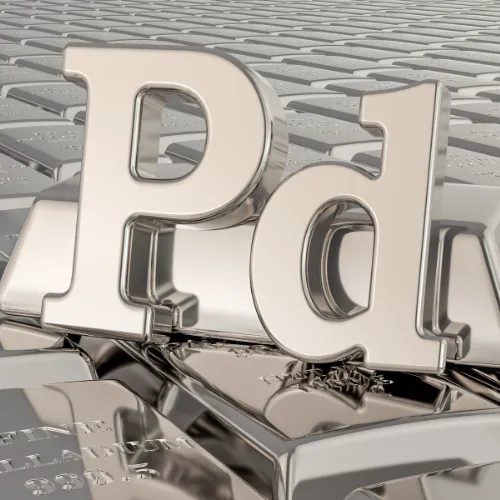
Palladium is the rising star of the niche. It's in high demand for use in cars and electronics, and its limited supply makes it a unique. Learn more about this rising star.
Advantages of Palladium
Investment Potential
Automotive and Industrial Demand
Diversifying With Precious Metals
Diversifying your portfolio with precious metals is crucial for several reasons. First, they act as a hedge against inflation and economic downturns, preserving wealth when other assets falter. Second, precious metals offer long-term stability and serve as a store of value. Last, they provide a tangible asset that can add balance and reduce overall investment risk.
Portfolio Benefits
Allocation Strategies
Balancing Risk and Reward



Storing and Protecting Your Precious Metals
You'd think I wouldn't have to mention this, but leaving precious metals lying around the house is not a good idea.
Secure Storage Options
When investing in precious metals, it's crucial to store them securely. Consider the following storage options: (1) Home Safes, (2) Bank Safety Deposit Boxes, and (3) Precious Metals Storage Facilities.

Insurance Considerations
Protecting your precious metal investments with insurance provides an extra layer of security. Consider the following insurance options: (1) Homeowner's or Renter's Insurance, (2) Specialized Precious Metals Insurance, and (3) Storage Facility Insurance.

You Can Do This
Including precious metals in your investment portfolio can provide diversification, act as a hedge against market volatility, and preserve wealth over time. Gold, silver, platinum, and palladium each offer unique investment opportunities based on their properties and industrial demand.
Consider your risk tolerance, investment goals, and market trends when determining the appropriate
allocation of precious metals in your portfolio.
Ensure secure storage and consider insurance options to protect your valuable holdings.
By incorporating precious metals into your investment strategy, you can add stability, potential growth, and long-term value preservation.

Read Our Latest Thoughts
Lorem ipsum dolor sit amet, consectetur adipiscing elit.
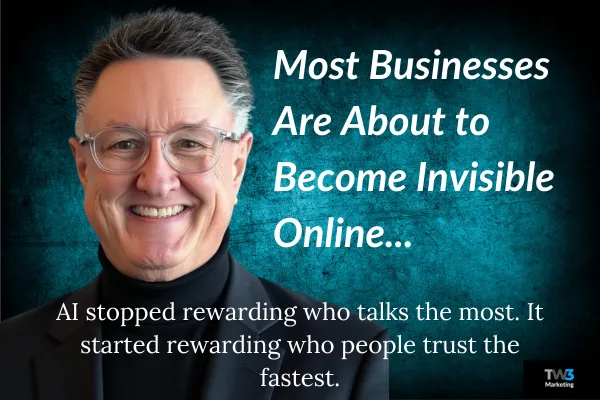
Most Businesses Are About to Become Invisible Online.
AI stopped rewarding who talks the most. It started rewarding who people trust the fastest.
By Bobby Christy
Most businesses are slowly becoming invisible online and their marketing still looks fine.
That's the dangerous part.
The website looks decent. The branding feels professional. The social is active enough. Content is getting posted on a schedule. From the inside, nothing appears broken. The dashboards look acceptable. The team looks busy.
But underneath all of it, something has changed dramatically.
AI is no longer rewarding businesses for showing up. It's watching how people respond.
Do customers engage? Do they trust what they see? Do they stay on the page? Do they leave a review? Do they share the post? Do they treat the business like it's credible?
Because AI is learning trust patterns from human behavior. And most businesses are sending weak signals without knowing it.
That's why so many companies feel stuck right now. Active, but forgettable. Busy, but ignored. Visible, but emotionally flat.
In the AI era, fine is becoming one of the most dangerous places a business can live.
The old internet rewarded activity. The new one rewards trust.
That's the shift, and almost no one talks about it directly.
For years, businesses could survive online by doing more. Publish content constantly. Chase SEO tricks. Stuff pages with keywords. Push harder on ads. Flood the social feed. Volume worked.
Today, AI is trying to answer a completely different question.
Which businesses do people actually trust?
That changes everything. Because AI systems are no longer just indexing websites. They're observing human behavior. Reviews. Comments. Engagement. Watch time. Conversations. Reputation. Consistency across channels.
Those interactions become trust signals. And the businesses generating stronger trust signals are starting to rise faster online while the businesses producing the most content are quietly being filtered out.
Write this down. Activity used to be the proxy for relevance. Now relevance is the proxy for visibility. And relevance comes from trust signals you can't fake.
Most businesses sound exactly the same.
This is one of the biggest problems I see right now.
Go look at ten websites in almost any industry. You'll see the same tired messaging over and over. We care. We're experts. Excellent service. Customer-first. Every business says it. Which means customers no longer feel anything when they read it.
AI is learning the same pattern humans already learned.
Generic messaging creates weak reactions. Weak reactions create low engagement. Low engagement creates weaker trust signals. Weaker trust signals get less visibility. The owner produces more content to compensate. The content is still generic. The cycle compounds in the wrong direction.
That's why so many businesses are working harder than ever online while getting less attention than they used to. The marketing is professional. It's just emotionally empty. Polished, but unmemorable.
AI is watching human behavior.
Most owners still think of AI the way they thought of Google in 2015, keywords in, rankings out. That isn't the system anymore.
AI is constantly trying to determine four things about every business it encounters.
Credibility. Does this look real and verifiable?
Usefulness. Are people getting value from it?
Authority. Has the market validated this business?
Trustworthiness. Would I recommend this if I were a human?
And it learns the answer to all four by watching what humans do. How long visitors stay. Whether customers leave reviews. Whether posts trigger comments. Whether real conversations happen around the brand. Whether the business shows up consistently across surfaces.
AI wants to recommend businesses that already appear believable to humans. That means authority is becoming publicly reinforced not self-proclaimed. The claim doesn't carry weight anymore. The pattern of human behavior around the claim does.
The businesses winning right now feel human.
This is the opportunity most owners are missing.
The companies gaining traction online right now tend to do the same things. They sound conversational. They answer real questions. They show proof constantly. They reveal personality. They create interaction. They build familiarity over time.
They feel human.
That matters because people are exhausted from robotic marketing. Polished websites no longer impress by themselves. AI-generated fluff doesn't, either. What customers want now is reassurance. They want to feel these people understand my problem. That emotional connection creates engagement. Engagement creates stronger authority signals. Authority signals get rewarded by AI.
I've spent over forty years in sales and marketing. One thing has never changed. People buy confidence before they buy services. The businesses that lower uncertainty the fastest usually win.
That's what authority actually does. It creates reassurance before the first conversation ever happens.
The mistake most businesses are making.
Most companies are still trying to look professional.
Very few are trying to become unforgettable.
That's a huge difference. Professional is now expected. It's the floor, not the ceiling. Trust is earned through different inputs entirely. Proof. Perspective. Consistency. Visibility. Engagement. Reputation. Real conversation.
This is why businesses with smaller budgets are suddenly outperforming larger competitors online. Trust scales further than advertising. Especially in the AI era. A company with a tighter message, real proof, and visible engagement will out-perform a company with three times the budget and twice the staff if the second one is sitting at "professional but generic."
This is the same congruence test we run on every Authority Score. Four surfaces — Google, LinkedIn, social, website. One question. Do they all tell the same story, and is that story backed by something a human would actually trust? Pass the test and AI starts recommending you. Fail it and the budget doesn't save you.
The future belongs to businesses people remember.
Here's where all of this is heading.
The businesses dominating online over the next few years won't necessarily be the ones spending the most, producing the most, or running the flashiest brands. They'll be the ones generating the strongest trust signals.
Because AI is learning what humans already know. People naturally move toward businesses that feel familiar, reassuring, believable, experienced, and human. Those are the signals that get amplified now. Everything else gets filtered.
That's the game. And most businesses are still playing by the old rules.
Question to sit with this week: If a buyer asked AI to recommend the best business in your category, would your name come up?
If you can't answer yes with confidence, the trust signals aren't where they need to be yet. The good news is they're fixable. Faster than most owners think.
— Bobby Christy, Founder, TW3 Marketing
FAQ
Q1: Why are businesses becoming invisible online? Because AI systems have stopped rewarding activity alone. They're prioritizing trust signals — reviews, engagement, consistency, real conversations to determine which businesses to surface. Companies producing high volumes of generic content are being filtered out in favor of companies generating stronger human reactions.
Q2: What are trust signals? Trust signals are the patterns AI uses to determine credibility, Google reviews, comments, watch time, engagement on posts, conversations about the brand, consistency across surfaces, and verified customer interaction. Each one is a small piece of evidence that humans treat the business as credible. AI learns the pattern from that behavior.
Q3: How does AI decide which businesses to recommend now? It looks at four things: credibility, usefulness, authority, and trustworthiness. And it determines all four by watching what humans actually do around the business. How long visitors stay, whether they leave reviews, whether posts trigger reactions, whether real conversations happen. AI wants to recommend businesses that already appear believable to humans.
Q4: Why does generic marketing fail today? Because customers and AI systems both ignore messaging that feels repetitive or emotionally flat. We care, we're experts, excellent service: every business says it, so nothing about it registers. Generic content creates weak reactions, weak reactions create low engagement, low engagement creates weaker AI visibility. The cycle compounds in the wrong direction.
Q5: What helps a business stand out in the AI era? Proof, perspective, consistency, visible engagement, and a real human voice. The businesses winning right now tend to sound conversational, answer real questions, show specific outcomes, reveal personality, and build familiarity over time. Polished but generic loses. Recognizable and trusted wins.
About Bobby Christy
Straight-Shooting Marketing Coach | CEO, TW3 Marketing | Author | Speaker | Host of Inside Pitch
Bobby Christy doesn’t teach marketing.
He teaches why people don’t trust you and how to fix it.
With over 40 years in sales and marketing, Bobby has built his reputation on a simple truth:
Most marketing doesn’t fail because of traffic.
It fails because of trust.
Today, that problem is bigger than ever.
Buyers aren’t just searching Google.
They’re asking AI who to trust.
And if your business doesn’t show up with real proof, clear positioning, and consistent authority…
you don’t get chosen.
That’s where Bobby comes in.
Through his Authority Framework™, Authority Score™, and Authority Audit™, he helps service-based businesses:
Turn invisible brands into recognized authorities
Find and fix the trust leaks killing conversions
Show up where AI and search engines are already looking
Build proof that makes prospects choose them faster
His work has helped businesses move from stuck… to scaling, with measurable growth in leads, conversations, and revenue.
At TW3 Marketing, the mission is simple:
Build trust first. Growth follows.
Text the word AUTHORITY to (678) 922-4561 and find out where your business really stands.
For Podcasters, Event Planners, and Speaking Bureaus
If you want a speaker your audience will actually remember and use, Bobby delivers.
No fluff. No theory. No recycled marketing talk.
Just real-world insight from four decades in the trenches, broken down so people can act on it immediately.
Bobby speaks on:
Why prospects don’t trust you (and how to fix it fast)
How AI is changing who gets chosen and who gets ignored
The Authority Framework™: becoming the obvious choice in your market
Why leads aren’t the problem and what actually is
His style is direct, conversational, and easy to follow.
It feels less like a keynote…
and more like someone finally explaining why things haven’t been working.
Audiences don’t just take notes.
They leave seeing their business differently and knowing what to do next.
If your audience is made up of business owners, sales teams, or leaders trying to stand out in a crowded market, Bobby is the speaker who will connect.
To book Bobby Christy for your podcast, event, or stage, reach out today.

Frequently Asked Questions
Are precious metals considered a safe investment?
Precious metals have historically acted as a safe investment due to their intrinsic value and ability to hedge against economic uncertainties.
Can I invest in precious metals through my brokerage account?
Yes, many brokerage firms offer the ability to invest in precious metals through ETFs, mining stocks, or other investment products.
Do precious metals pay
any dividends or interest?
Precious metals themselves do not pay dividends or interest. Their value lies in their scarcity, intrinsic worth, and potential for price appreciation.
What is the best way to buy physical precious metals?
You can purchase physical precious metals from reputable dealers or online platforms. Ensure authenticity, purity, and secure shipping when buying.
How often should I review my precious metals investment strategy?
Regularly reviewing your investment strategy is recommended, considering market conditions, your financial goals, and any significant changes in your
portfolio.
Final Word
Risk Disclosure and Disclaimer
Bobby Christy (TW3 Marketing) is not an investment adviser.
Information contained on this website is for educational purposes only and is not tailored for any individual investor. It should not be relied upon as financial or investment advice. We encourage you to consult a licensed financial adviser or investment professional to determine whether an investment in precious metals makes sense for you and your personal financial situation.
PRECIOUS METALS AND CRYPTOCURRENCIES ARE VERY SPECULATIVE INVESTMENTS AND INVOLVE A HIGH DEGREE OF RISK. INVESTORS MUST HAVE THE FINANCIAL ABILITY, SOPHISTICATION, EXPERIENCE AND WILLINGNESS TO BEAR THE RISKS OF AN INVESTMENT, AND A POTENTIAL TOTAL LOSS OF THEIR INVESTMENT.


